- Case study
- Google Ads
- eCommerce
How We Built A Houseplant eCommerce Store’s Google Ads From Scratch To A £10k Sales Month In Five Months
Plant Warehouse had been selling plants for 20 years, but had only dabbled online, and several agencies had turned them down because their budget was too small. We launched their first Google Ads account in November 2025. In April 2026, it brought in £10k of sales in a single month, with the return on ad spend up from 0.73× at launch to a record 3.60×.
- Sales from Google Ads a month Up 335% from December, a half-budget Christmas month
£10.3ka month
↑Up from £2.4k in Dec 2025
- Return on ad spend Nearly 5× higher, a record in April 2026
3.60×ROAS
↑Up from 0.73× in Nov 2025
- £39k Sales from Google Ads, launch to May 2026 From £15k ad spend, a 2.68× return
- Client
- Plant Warehouse: houseplants sold online, after 20 years selling plants
- Platform we ran
- Google Ads (Performance Max and Shopping)
- Goal
- Profitable sales from a small starting budget
- Store
- Shopify
- Starting point
- A brand-new Google Ads account, launched November 2025
- Periods compared
- November 2025 (launch) to May 2026
The Starting Point
Plant Warehouse had been selling plants for 20 years, but had only dabbled online and was nervous about advertising. Several agencies they spoke to wouldn’t take them on because the budget was too small. We loved that challenge.
There was nothing to build on: no ad account, no sales history, no remarketing audiences, nothing to tell Google which plants would sell. With around £2k a month, competing against some of the biggest names in retail, every pound had to find the products that could win.
- Return on ad spend
- 0.73×
- Sales history in Google Ads
- None
- Remarketing audiences
- None
- A small budget against big retailers
- No data on which plants would sell
- Product titles led by Latin names
A brand-new account, starting from zero
What We Changed, And Why
- 01
Launched wide to find what sells
Six Performance Max campaigns, one per plant category (foliage, trailing plants, aroids, ferns and more), plus a Shopping campaign for everything else. Remarketing went in as soon as the audiences had filled.
Why: A new account has no history. Going wide first showed which products could compete in the auction, and which couldn’t, before we committed the budget.
- 02
Moved from categories to single products
From January, we cut the categories that weren’t paying their way (pet-friendly and air-purifying plants) and moved their budget into a best-sellers campaign and campaigns built around individual plants.
Why: In this store, a handful of plants did most of the selling. Putting the budget behind them was the fastest route to a better return.
- 03
Turned an £8.50 ivy into the way in
English Ivy got its own campaign, its own remarketing list and 50 search themes around “ivy plant” searches.
Why: At £8.50 it won clicks cheaply, around 34p each, and buyers rarely stopped at one plant: orders averaged 1.9 items. A loss leader that isn’t even at a loss.
- 04
Gave Bird of Paradise room to grow
Bird of Paradise got a dedicated campaign, with a remarketing list of everyone who’d viewed any size in the last 90 days, and more budget each time it proved itself.
Why: In March 2026 it was the account’s top earner, at a 4.42× return. In May, the large 170cm size returned 12.2× its ad spend.
- 05
Rewrote the product titles
Common names first, Latin names out: “Ceropegia (String of Hearts) - Ceropegia Woodii…” became “String of Hearts - Indoor Houseplant, 9cm Pot | 15-20cm Trail”. Size and price-band labels went into the feed too.
Why: Shoppers often see only the first few words of a product title, and nobody searches for “Ceropegia Woodii”. Impressions hit new highs, and products that had barely shown in Google’s free listings started getting clicks.
- 06
Used our Google Partner credit for the spring peak
As a Google Partner, we had £1,500 of Google ad credit to give to one client. We gave it to Plant Warehouse in spring, the busiest season for houseplants.
Why: We wanted to see what was possible for a client without a big budget. It let them see what more spend could do, and gave them the confidence to keep investing as the months went on.

The £8.50 Plant That Won The AuctionEnglish Ivy (right) won clicks for around 34p and brought shoppers into the store, who rarely stopped at one plant. Bird of Paradise (left) became the top earner: in May 2026, the large 170cm size returned 12.2× its ad spend.
The Results
The first full month, December 2025, against the record month, April 2026. £ figures under £10k are rounded to the nearest £100, and larger ones to the nearest £1k, to protect our client’s privacy; percentages and ROAS are exact.
| Metric | First full monthDecember 2025 |  April 2026 | Change |
|---|---|---|---|
| Return on ad spend | 1.64× | 3.60× | +120% |
| Sales from Google Ads | £2.4k | £10.3k | +335% |
| Ad spend | £1.4k | £2.9k | Doubled |
| Sales minus ad spend | £0.9k | £7.5k | 8× |
£39k In Sales From A Brand-New Account
From launch in November 2025 to May 2026, Google Ads brought in £39k in sales on £15k of ad spend, from an account that started with no history at all.
- Return on ad spend, April 2026
- 3.60×Up from 0.73× at launch
- Best week, from 30 March 2026
- £2.8kAt a 7.26× return
Month by month: return on ad spend
- November 2025 → December 20250.73× → 1.64×+125%
- December 2025 → January 20261.64× → 2.54×+55%
- January 2026 → April 20262.54× → 3.60×+42%
- “Sales from Google Ads” is the revenue Google attributes to its ads, not total store sales.
- “Sales minus ad spend” is before product costs, so it is not profit.
- November 2025 was a two-week launch month, at a 0.73× return. December 2025 was the first full month, with budgets cut by half from mid-December for the Christmas lull.
- Ad spend includes the £1,500 Google ad credit, so the return figures count it as money spent.
- £ figures under £10k are rounded to the nearest £100, and larger ones to the nearest £1k, to protect our client’s privacy.
We’ve been selling plants for 20 years but were always nervous about scaling our Shopify store. After meeting a few agencies, we chose Advantage because they were very straight talking and didn’t overpromise. They completely reworked our account and the results speak for themselves. They are a brilliant team to work with.
Want Results Like This For Your eCommerce Brand?
Start with a free PPC audit. We’ll go through your account in detail and tell you straight what’s working and what’s wasting money.
- 90%+Client retention
- 1–3 DaysFree audit turnaround
- ★ ExcellentRated on Trustpilot ↗
Want results like this? Free PPC audit in 1–3 days, no strings attached.
Get a Free PPC Audit →What Made The Difference
Small budgets can win
Other agencies turned Plant Warehouse away. Around £2k a month, spent on the right products, was enough to build a profitable account from nothing.
Products beat categories
A few plants did most of the selling. Campaigns built around them did far better than campaigns built around plant types.
Cheap products can earn big
An £8.50 ivy brought shoppers in cheaply, and they filled their baskets once they arrived.
How We Run This
More Results

- Google Ads
 Shopify store
Orthotix case study: Sales Almost Doubled In Three Months
Jan–Mar 2026 vs 2025, Google Ads
A profit-led Google Ads rebuild for a long-standing client. Over the first half of 2026: sales up 73% on 18% more spend.
- Google Ads
- Shopify store
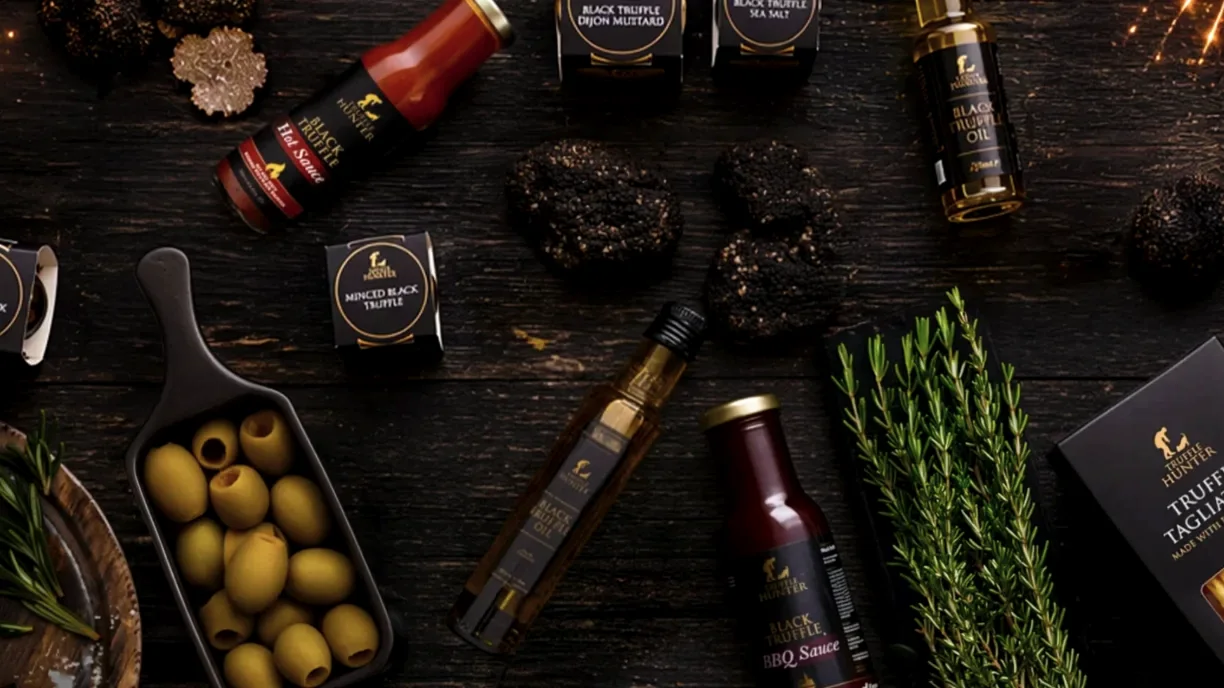
TruffleHunter case study: December Sales Up 815%
December 2025 vs December 2024, Google Ads
A seasonal gourmet food brand we took over in March 2025. At its Christmas peak, sales from Google Ads were up 815% on the year before, with ROAS up from 2.93× to 6.26×.